
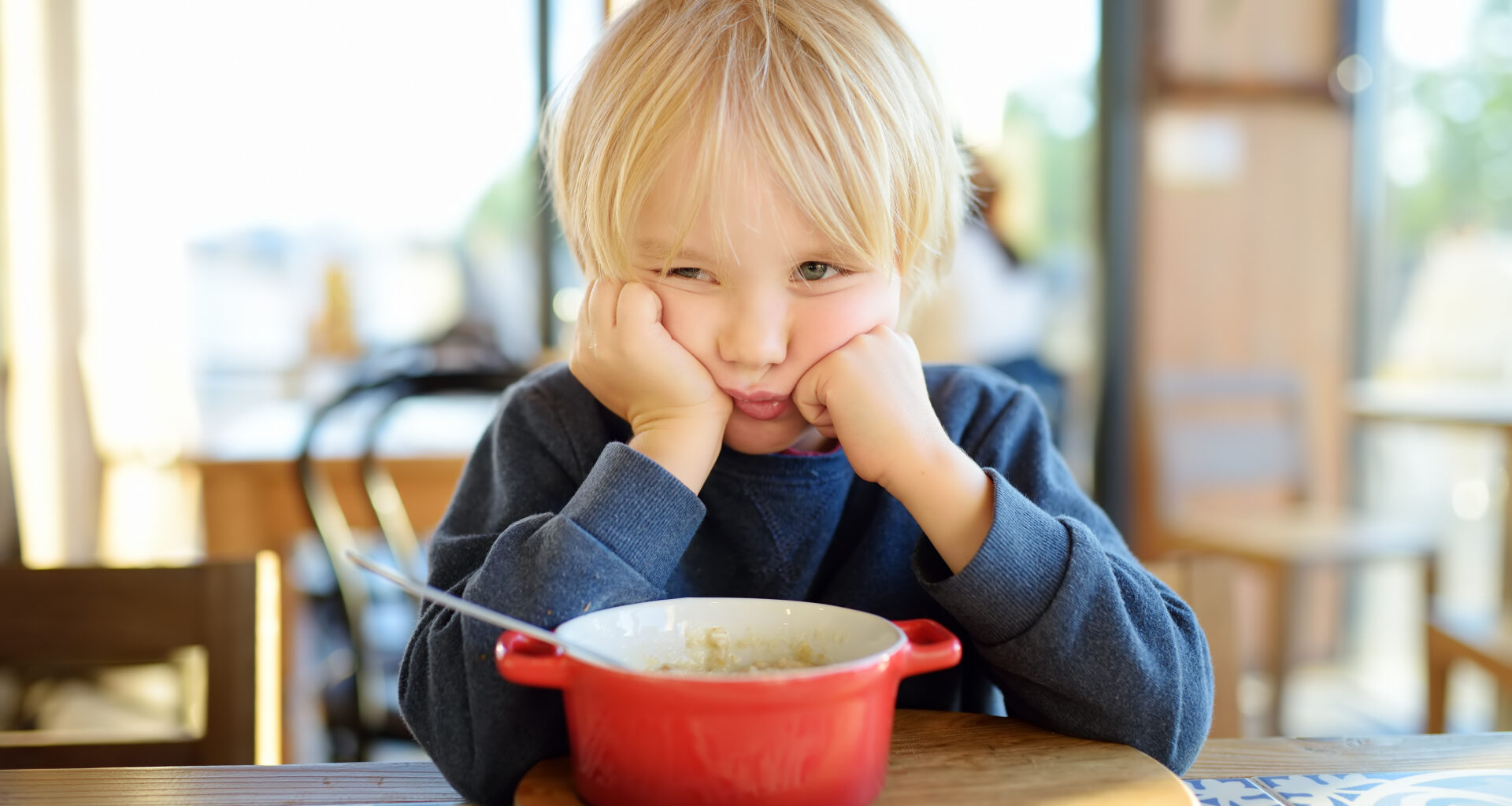
When you have a child who is a picky eater, mealtime can be challenging. The holiday season can add to the stress, with its busy social calendar and family gatherings where you are not always in control of the menu. A few strategies can help dial down the drama.
The goal isn’t to get kids to suddenly try everything on the table. It’s to help them feel comfortable and make sure they have something to eat. And maybe even gradually build their confidence around new foods.
Pack a familiar backup
One of the easiest ways to head off mealtime stress is to bring along a few foods your picky eater already enjoys. A small container of crackers, cheese, fruit, pasta or a favorite sandwich can make a big difference.
For longer gatherings, pack enough to cover a meal rather than relying on a handful of snacks. A small insulated lunch bag can keep perishable foods at a safe temperature. Having familiar options on hand means you won’t have to scramble to find something your child will eat.
If you’re visiting friends or relatives, consider giving the host a heads-up. You don’t need to ask them to prepare a separate meal. Just letting them know your child has a limited food repertoire can help avoid awkward moments when dinner is served.

Take the pressure off trying new foods
It’s tempting to encourage a child to take just one bite of an unfamiliar dish, especially when everyone else is enjoying it. But turning a meal into a negotiation can make the experience more stressful for everyone.
Instead, offer new foods without making them a requirement. Let children look at a dish, smell it or put a small portion on their plate without expecting them to eat it. Sometimes simply becoming familiar with a food is a step forward.
Parents can also serve a new dish alongside something their child already likes. A familiar roll, plain rice or favorite vegetable can provide a comfortable option while giving kids the opportunity to explore something different at their own pace.
Avoid using dessert as a reward for trying a new food or making comments about how little a child has eaten. Keeping the mood relaxed helps children associate mealtimes with connection rather than pressure.

Make a plan
Potlucks and parties can be particularly unpredictable, so it helps to think ahead. If you’re bringing a dish, consider choosing something your child is likely to eat, provided it fits the host’s plans. At a potluck, a familiar side dish can give them an option without requiring special attention.
At family dinners, let children know what to expect before arriving. Talk about where you’ll be eating, who will be there and what kinds of foods might be served. If possible, show them a menu or ask the host what dinner will include. Consider a few kid-friendly holiday recipes.
For younger children, a small plate with a few familiar foods can make a crowded buffet or unfamiliar dining setup feel less overwhelming. At restaurants or larger gatherings, allowing a child to take a short break from the table can also help if the noise and activity become too much.
Keep routines flexible, but predictable
Children who are used to eating at certain times or in familiar surroundings may need a little help adjusting to a different routine. Try to avoid arriving at a gathering when your child is already exhausted or overly hungry. A snack beforehand can take the edge off without spoiling dinner.
Most importantly, remember that one meal doesn’t have to be a breakthrough. Some picky eaters need repeated exposure and plenty of time before they’re comfortable trying something new. Celebrating small steps, keeping familiar foods available and making mealtimes pleasant can go a long way.
The best holiday memories aren’t made by cleaning every plate. They’re made by spending time together, and kids should be able to enjoy that, too.